
Non-Narcotic Stabilization

A physician-led approach to safely stabilizing patients without relying on replacement narcotics.

Close-up of a person's eye with a neutral background.
PR 63 bpm
SpO2 99 %
TEMP 36.5 °C
BP 120/80 mmHg
RR 29 /min

What Is Non-Narcotic Stabilization?

Alcohol withdrawal occurs when someone
who has been drinking heavily for a prolonged
period suddenly reduces or stops alcohol use.
The body, which has adapted to alcohol, can react with a range of physical and psychological symptoms.

Rather than replacing one substance with another, this approach focuses on stabilizing the body through targeted, non-addictive medical support.

KEY POINTS
  • Symptom-focused medical care
  • Non-addictive treatment protocols
  • Physician-directed stabilization
  • Support for natural physiological recovery
Silhouette of a person in a hoodie adjusting their sleeve at sunset
SOBR // 14 DAYS
BP // 118/76 mmHg
O2 // 98 %

WHY IT MATTERS

Withdrawal management can be approached in different ways depending
on patient needs and treatment philosophy.

some treatment
models rely on replacement narcotics
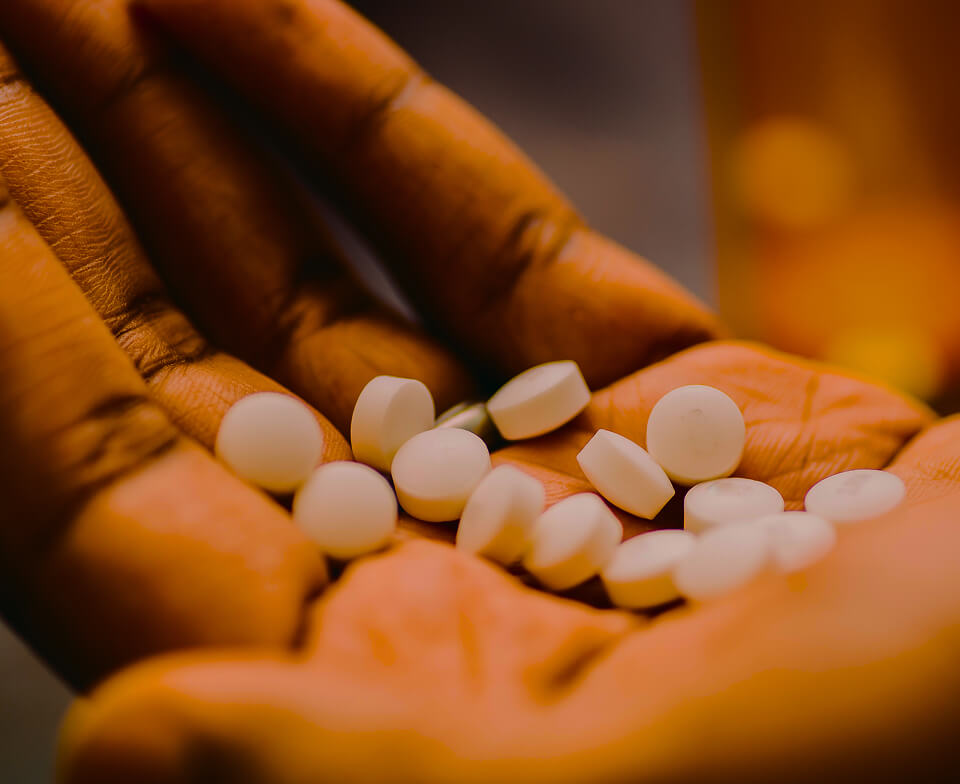
Hand holding small white pills showing medication concept
risks of
long-term medication dependence
Person in green shirt sitting with head down and hands on head
some treatment
models rely on replacement narcotics
Two men engaged in conversation at a clinic hallway

WHEN IT IS USED

Non-narcotic stabilization may be appropriate in a range of clinical situations.

Opioid
Withdrawal
For individuals seeking to stabilize without replacement therapies.
Alcohol
Withdrawal
For cases requiring structured medical supervision and symptom control.
Complex
Detox Cases
Including polysubstance use or previous withdrawal complications.
Medication-Free
Recovery Goals
For patients who prefer to avoid long-term pharmacological support.

The Stabilization Process

From your first call through discharge, every step is designed to keep you safe, comfortable, and supported. Here’s what to expect along the way.

Man in black shirt talking on a landline phone indoors
Admissions call
A short, confidential call with our intake team to understand your situation, verify insurance, and answer any questions before you commit to anything.
Doctor in hallway reviewing patient file clipboard in black and white
Medical screening
On arrival, our team completes a rapid health screening, including vitals, lab work, and assessment for any complicating conditions.
Modern hospital room with medical equipment and a bed
Inpatient admission
You’re checked in and shown to your room. Our medical team begins continuous monitoring, and your personalized care plan goes into effect.
Two men engaged in conversation in a hospital corridor one in scrubs and the other in casual attire
Stabilization care
Physician-led, non-narcotic treatment manages withdrawal symptoms around the clock.
Two people laughing and talking at an event, one holding a microphone, black and white photo.
Recovery planning
Before discharge, our team works with you and your family on aftercare, including therapy connections, primary care, and ongoing recovery support.
Group of people in paintball gear posing in a forest setting.
Discharge and next steps
You leave with a clear plan, the resources you need, and a team that’s still here if questions come up along the way.
Hands touching gently expressing connection and support

Support beyond stabilization

Recovery doesn’t end with stabilization.
We provide ongoing care, guidance, and support to help patients maintain progress
and prevent relapse.

WHAT YOU’LL LEARN
  • Transition to ongoing Sober Care
  • Long-term health support
  • Continuity with informed physicians
  • Relapse prevention through medical care

Locations

At Rise Community Hospital, we are committed to providing personalized, compassionate care to meet your health and recovery needs.

FAQs

Whether you have questions, need immediate assistance, or simply want to learn more about our services, our team at Rise Community Hospital is here for you

Medical stabilization is an inpatient program that provides life-saving support for individuals experiencing withdrawal symptoms and other life-threatening medical complications associated with substance use. By offering hospital-based medical treatment with a non-narcotic approach, Rise helps patients detox safely while receiving emotional and behavioral health support.

During medical stabilization at Rise, you’ll be cared for by a team of compassionate medical professionals and support staff. Expect 24/7 monitoring, personalized meals, ROKU TVs for entertainment, and access to smoke breaks. We aim to create a comfortable and supportive environment, ensuring you have everything needed to manage detox safely.

Rise’s medical stabilization program is unique for its recovery-focused, non-narcotic approach. We prioritize both your physical and mental well-being, offering comprehensive medical and behavioral health support and a personalized, family-like environment.

Unlike some programs, Rise provides hospital-based medical stabilization that’s entirely non-narcotic, focusing on comfort and individualized care. This approach supports those in recovery by minimizing the risk of relapse and providing resources and support to build a strong foundation for long-term wellness.